
How much are you actually getting?
High Protein Doesn't Always Mean Healthy
HIGH PROTEIN is everywhere.
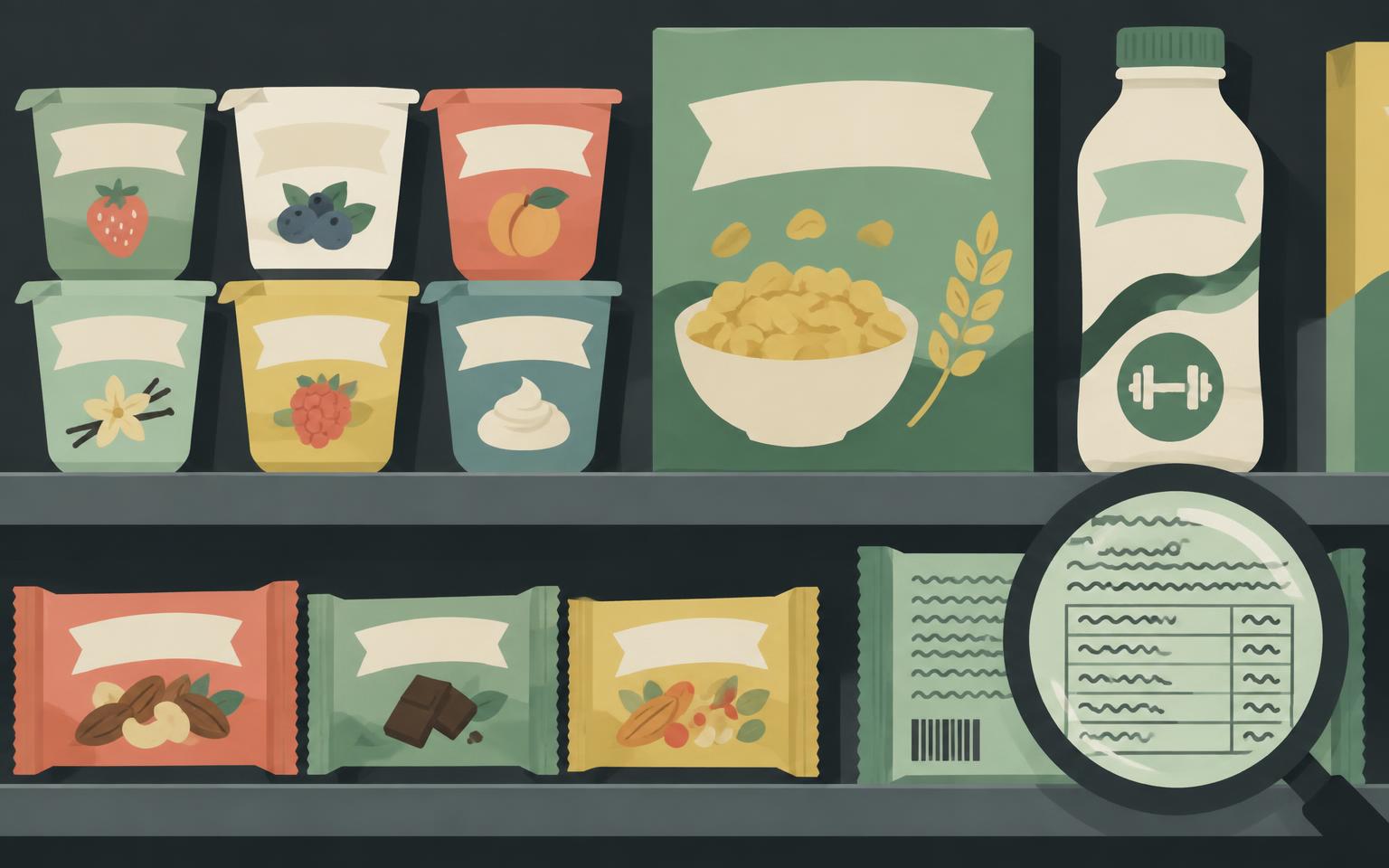
Walk through a supermarket today and you'll see it on yoghurt, milk, cereal, granola, protein bars, puddings and drinks. Even products that traditionally had very little to do with sports nutrition are now being sold around one number: protein.
Protein matters. But high protein is a nutritional characteristic. It isn't a complete health score. Here's what the claim actually means and what else you should look at before choosing between two products.
"High protein" actually has a legal meaning
This isn't just marketing language. Under EU nutrition-claim rules that apply in Ireland, a food can claim to be a source of protein when at least 12% of its energy value comes from protein, and high in protein when at least 20% of its energy value comes from protein.
Notice what the rule doesn't say. It doesn't say the product is healthy. It says a sufficient proportion of the product's energy comes from protein to make that particular claim. That's useful information, but it's still only one characteristic of the food.
Source of protein
12%+
of energy from protein
High protein
20%+
of energy from protein
EU nutrition-claim rules, as applied in Ireland.
20 g of protein and "high protein" aren't exactly the same thing
This can be confusing. A pack might advertise 20 g PROTEIN. That's telling you an amount. The regulated claim HIGH PROTEIN is based on the proportion of the product's energy supplied by protein. Those are related concepts, but they're not identical.
Serving size also matters. A large product can naturally provide more grams of protein simply because you're consuming more food. That's why it's worth looking beyond the biggest number printed on the front.
20 g protein
An amount per portion
High protein
20% or more of energy comes from protein
Why protein has become such powerful marketing
Protein is easy to communicate. 20 g PROTEIN fits neatly across the front of a packet. Compare that with "a product with a particular combination of protein, fibre, saturated fat, sugar, salt and ingredients". Not quite as catchy.
That's why one characteristic can dominate how we perceive an entire product. You'll see the same thing with low sugar, high fibre, low fat and no added sugar. Each one can be meaningful. None describes the entire food.
One number gets the attention.
Look at the whole nutrition table
When comparing high-protein foods, protein is obviously worth checking. Then keep going.
How much sugar does the product contain?
Particularly useful when comparing similar dairy products, snacks or desserts.
Two savoury high-protein products can differ considerably.
Especially relevant for cereals, bars and snacks where fibre may be expected.
Protein-containing foods can still vary substantially in overall energy.
Keep reading after protein. One number doesn't replace the others.
Compare similar products, not completely different foods
Context matters. A high-protein yoghurt should usually be compared with another yoghurt. A protein bar with another snack or bar you're realistically considering. A protein cereal with another breakfast option. Otherwise you can create meaningless comparisons.
A protein yoghurt and a packet of nuts can both contain protein. They are still completely different foods with different ingredients, serving sizes, nutritional profiles and uses.
The question isn't "which food has the most protein in the supermarket?" It's "which product better fits what I'm actually looking for?"
Yoghurt vs yoghurt
Bar vs bar
Cereal vs cereal
High protein doesn't mean low sugar
A food can be high in protein and still contain sugar. There's no contradiction there. "High protein" describes its protein contribution. It doesn't automatically place a limit on every other nutrient. Some high-protein products are also deliberately formulated to be low in sugar. Others aren't.
That's why high protein and low sugar are separate claims. Check both instead of assuming one means the other.
High protein doesn't mean high fibre either
Protein and fibre are completely different nutrients. A chicken breast can contain lots of protein and essentially no dietary fibre. A food can therefore legitimately qualify as high protein while providing very little fibre. Another product might provide both.
If fibre matters to the product you're choosing, check it separately. Don't let one strong nutritional characteristic create a halo around every other part of the label.
Different nutrients. Different information.
Check the ingredients too
The nutrition table answers how much? The ingredients list answers what's it made from? A high-protein yoghurt might get additional protein from concentrated milk proteins. A bar might use:
- Whey protein
- Milk protein
- Soy protein
- Pea protein
- Other protein-rich ingredients
There's nothing automatically wrong with adding a concentrated protein ingredient. It simply tells you something about how the product was formulated. That's worth knowing.
Added protein isn't automatically better or worse
This is another area where simple rules fail. Imagine ordinary yoghurt naturally containing protein, and another yoghurt formulated to contain more. The second product might suit someone specifically looking for a higher-protein option. That doesn't automatically make the original yoghurt inferior.
Likewise, adding protein to a biscuit-style snack doesn't automatically transform every other characteristic of that snack. The correct question is: what has actually changed about the product? Protein is part of the answer. Not the whole answer.
Protein bars show this perfectly
A protein bar might provide 20 g protein while also containing:
- Sweeteners
- Polyols
- A chocolate coating
- Added fibres
- Flavourings
- Emulsifiers
None of those facts individually tells you whether the product is "good" or "bad". They describe the formulation. That's why we previously looked at protein bars as a complete product rather than treating the protein number as a verdict.
Protein yoghurt is another good example
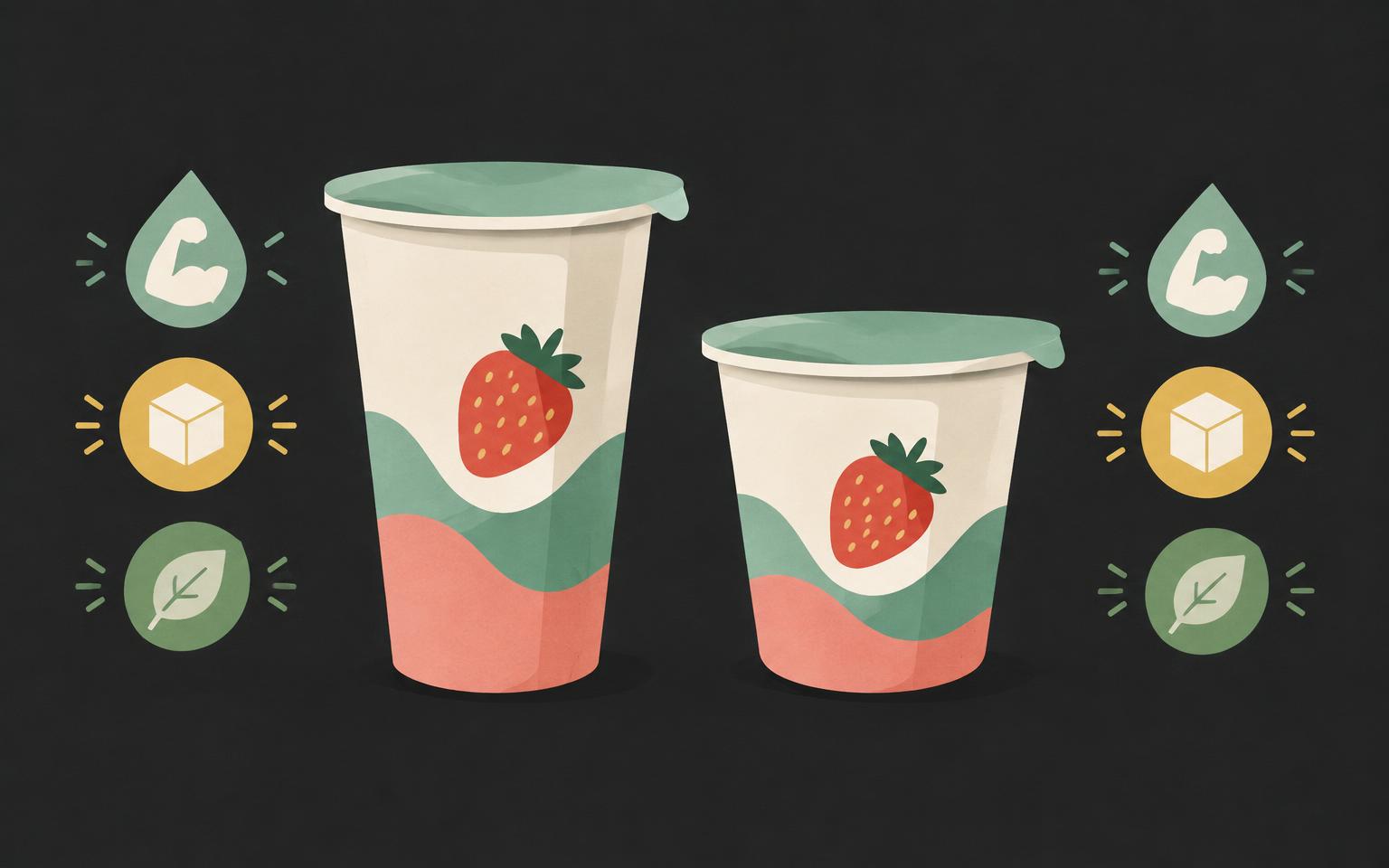
Suppose you're comparing two strawberry yoghurts.
Yoghurt A
- 10 g protein
- Lower sugar
- Contains sweetener
Yoghurt B
- 6 g protein
- Higher sugar
- No sweetener
Which should you buy?
There isn't a universal answer hiding in one number. Maybe you're prioritising protein. Maybe you prefer not to use sweeteners. Maybe one has very different saturated fat. Maybe the serving sizes aren't the same. The correct comparison comes from looking at the attributes that matter together.
"More protein" has a limit as a shopping strategy
Once you're deliberately choosing only the product with the largest protein number, you can start ignoring what the food actually is. A 25 g protein product isn't automatically better than a 20 g protein product simply because 25 is bigger than 20. People's protein requirements vary, and foods serve different purposes.
Does this product provide the amount I'm looking for while also having an overall profile I'm comfortable with?
That's a much better use of the label.
Watch the serving size
Protein is often advertised per pack or per serving. That's useful, but serving sizes can vary dramatically. A 500 ml drink naturally has more opportunity to contain protein than a much smaller pot of yoghurt.
When comparing different sizes, use the per 100 g or per 100 ml values as a consistent basis. Then look at the actual portion you'll consume. This gives you both a fair comparison and your real-world intake.
Front of pack vs back of pack
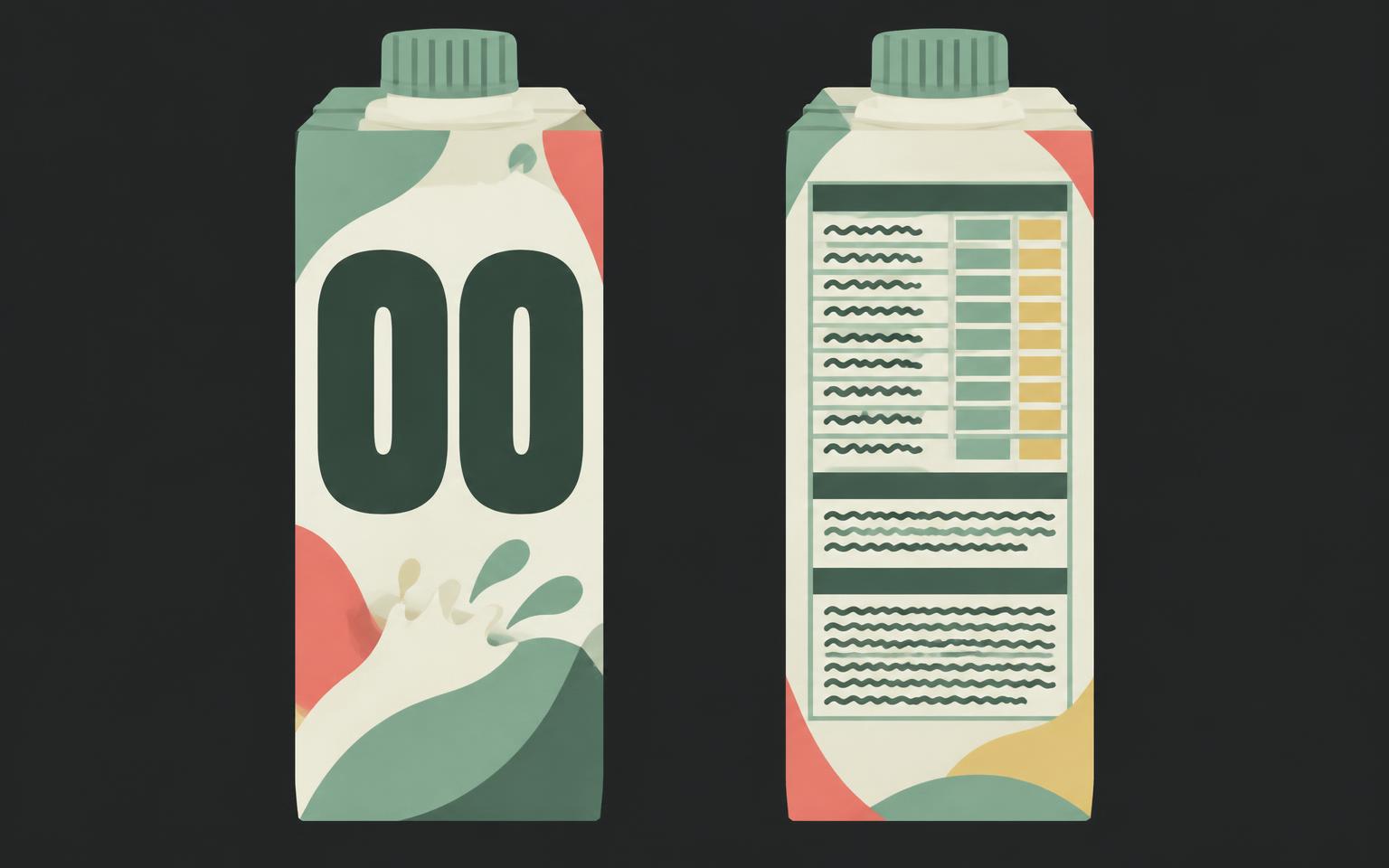
Imagine 25 G PROTEIN across the front. That's the message the manufacturer wants you to notice first. Turn it around and you'll find the protein, sugars, saturated fat, salt and the ingredients list.
None of this makes the protein claim misleading. It gives it context. The front gets your attention. The back helps you make the decision.
High protein and ultra-processing aren't the same question
Many modern high-protein products are formulated foods. Protein isolates, sweeteners, stabilisers, flavourings or emulsifiers may be used to create the final product. That may also result in some products being classified as ultra-processed under systems such as NOVA.
But high protein doesn't automatically mean ultra-processed. And ultra-processed doesn't tell you the exact nutritional profile. They're answering different questions, so Sláinte doesn't use one characteristic as a substitute for the others.
Marketing claims aren't useless
This isn't about distrusting every word on a packet. Regulated nutrition claims can be genuinely useful. If a product legally says HIGH PROTEIN, you have learned something specific about it.
The mistake is turning "this food qualifies as high protein" into "therefore this is automatically the healthiest option". That's an extra conclusion the claim doesn't establish. Use front-of-pack information. Just don't stop there.
How Sláinte approaches high-protein foods
Sláinte rewards relevant positive nutritional characteristics, including protein, within the nutrition component of the score. But protein isn't allowed to erase everything else. Otherwise manufacturers could simply add enough protein to a product and receive an excellent score regardless of everything else. That's not what we want the Sláinte Score to represent.
55%
Nutrition
Protein, fibre, sugar, salt and saturated fat. Protein is one positive input among several.
30%
Ingredients
The ingredients and recognised additives present.
15%
Processing and quality
Processing signals and how complete the product information is.
The five-second high-protein check
How much protein?
Look at the actual grams.
What's the serving size?
Are you comparing like with like?
What's the sugar?
Don't assume high protein means low sugar.
Saturated fat, salt and fibre?
Check the rest of the nutrition.
What's it made from?
Read the first few ingredients and understand where the protein comes from.
Frequently asked questions
What does "high protein" mean in Ireland?
Under EU nutrition-claim rules, a food can make a high-protein claim when at least 20% of its energy value is provided by protein.
What does "source of protein" mean?
At least 12% of the food's energy value must come from protein for this claim to be used.
Does high protein mean healthy?
No single nutrition claim provides a complete assessment of a food. High protein tells you something specific about protein contribution, while sugar, saturated fat, salt, fibre, ingredients and other characteristics still need to be considered separately.
Is more protein always better?
Not necessarily. The amount of protein appropriate for someone depends on their individual needs and overall diet. When comparing products, more grams of protein alone doesn't establish that one product is nutritionally better overall.
Are high-protein yoghurts healthy?
Different products have different nutritional profiles and formulations. Compare protein alongside sugar, saturated fat, ingredients and portion size rather than judging every high-protein yoghurt as one category.
Are protein bars healthy?
Protein bars vary substantially. Some provide significant protein and fibre, while formulations may also contain sweeteners, polyols, saturated fat or other ingredients. Compare the specific products.
The short version
- "High protein" has a legal definition in Ireland and the EU.
- At least 20% of the food's energy must come from protein.
- "Source of protein" has a 12% threshold.
- High protein is a characteristic, not a complete health score.
- It doesn't automatically mean low sugar.
- It doesn't automatically mean high fibre.
- Check saturated fat and salt too.
- Look at where the protein comes from.
- Compare products per 100 g or 100 ml as well as by portion.
- Don't let one large number on the front replace the rest of the label.
- Sláinte considers protein within the context of the whole product.