
Can a scanner see ingredient quantities?
Only quantities actually available from the product data or label.
Published · Updated · Sláinte Editorial
“Ingredient scanner” can describe two quite different things.
One tool might scan a barcode and retrieve a stored ingredients list. Another might read the words printed on the packet using a camera. Some products may eventually combine both.
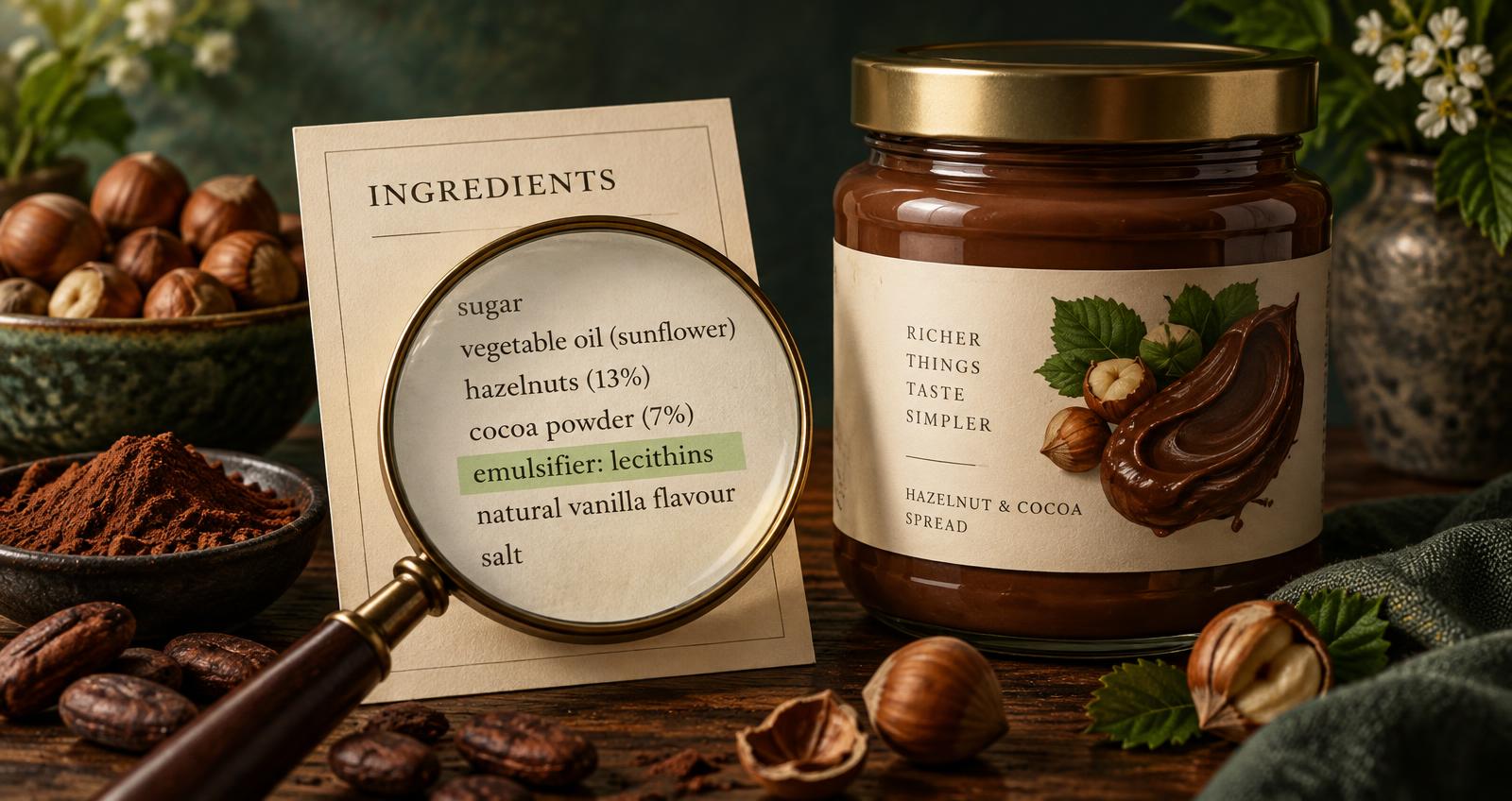
Understanding which method is being used matters because each has different strengths and weaknesses.
With barcode lookup, the scanner identifies the product and retrieves an existing record.
That can be extremely fast. It can also return a nicely structured ingredients list without needing to recognise tiny text from the packet.
The weakness is obvious: the stored record must be correct and current.
If the manufacturer has changed the recipe but the database has not been updated, the scanner may show an old formulation.
A camera-based ingredient reader works differently.
Instead of relying entirely on a stored ingredients record, it can attempt to read the text on the pack in front of you.
That can help when:
But label reading introduces its own problems.
Text can be tiny, curved, reflective, partly obscured, multilingual or badly lit.
A responsible app needs to handle uncertainty rather than pretending every detected word is perfect.
| Barcode/database lookup | Reading the physical label | |
|---|---|---|
| Fast | Usually | Depends on image |
| Needs existing record | Yes | Not necessarily |
| Uses pack in your hand | Indirectly | Yes |
| Can return structured nutrition | If stored | Only if read/extracted |
| Main weakness | Stale/missing data | Text-recognition errors |
Neither approach is automatically “more accurate”. The better input depends on the situation.
Not always.
Food ingredients are generally listed in descending order by weight at the time of their use in manufacturing. Some ingredients have declared percentages under QUID rules. Many do not.
If a product lists sweetener: sucralose, that does not tell you the exact milligrams of sucralose in the product.
A scanner should not invent a dose from the ingredient name alone.
It can help display the allergens that are declared.
But allergy safety demands care.
The physical pack can contain highlighted allergens, “may contain” statements, cross-contact information and recipe changes.
This is the easiest scenario. The product identity and current pack agree.
The barcode works but the recipe on the pack has changed. The current physical label should trigger an update rather than being ignored.
A label-reading system may still help extract information from the pack. That does not automatically recreate every field normally stored in a structured database.
Not in the personalised medical sense.
An app can present label information and explain ingredients. It should not guarantee that a food is suitable for a particular health condition or allergy unless the product is specifically regulated and validated for that use.
Only quantities actually available from the product data or label.
It can be more current in some situations, but it can also introduce text-recognition errors.
They can help present declared allergen information, but the current physical pack remains important.
Yes in principle, depending on the product.
Confirm that the product, ingredients and warnings match the pack you are holding.