
Does independent mean accurate?
No.
Published · Updated · Sláinte Editorial
Food scanners can make complicated labels much easier to understand.
But you should not have to trust a colourful number blindly.
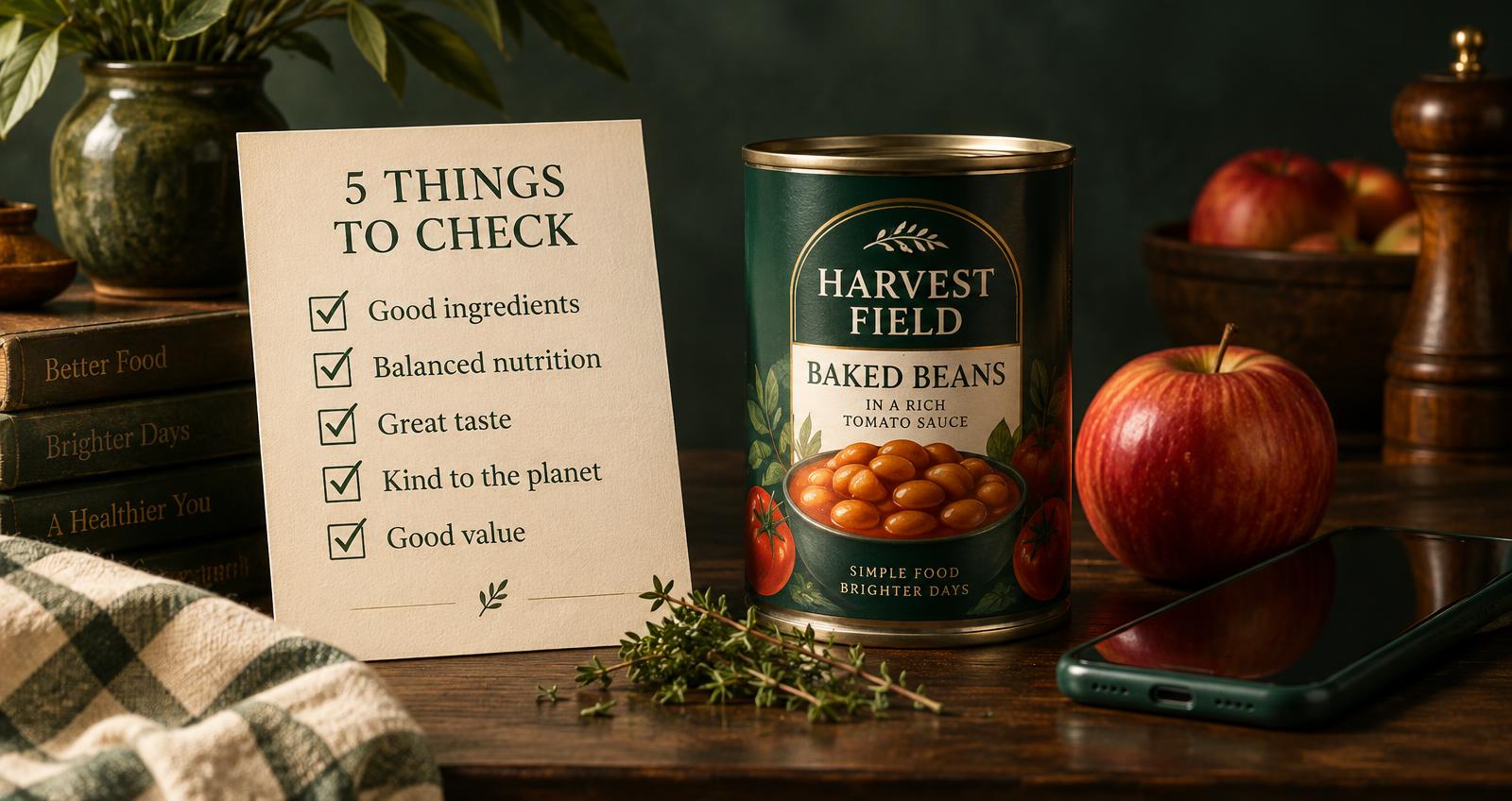
A good food scanner should make it possible to check where the result came from.
Here are five things worth checking in any app, including Sláinte.
Start with:
A protein bar in a different flavour may have a different recipe. A UK formulation may not be identical to an Irish one.
Read the ingredients. Check the nutrition.
If the packet says sucralose and the app does not, something may have changed.
Retailers themselves often advise consumers to check current packaging because recipes can change.
Missing information should be visible as missing.
If fibre has not been declared, it should not quietly become 0g fibre unless zero is actually supported by the source.
A score built on incomplete information should handle that uncertainty responsibly.
A published methodology is useful because it allows scrutiny.
But transparency is not the same thing as independent validation.
An app can publish every rule it uses and still make methodological choices that reasonable people could debate.
The useful thing is that those choices are visible.
No product database is perfect.
Look for sensible behaviour when:
A confident number attached to uncertain inputs can be more misleading than saying We need better data.
A scanner can help present declared allergen information.
That does not mean you should ignore the physical product.
Allergen declarations, precautionary statements and formulations can change.
A general nutrition score is not an allergy-safety score.
No.
Commercial independence, data accuracy and scientific validation are different questions.
An app can be independent but have an outdated record. It can use accurate product data but apply a scoring method you disagree with.
Separate the questions.
Sláinte should not be exempt because this is our website.
Ask:
If we cannot answer those questions well, the product needs improvement.
Use the app to make the label easier to understand.
Do not let the app make the physical product invisible.
Our goal is not to ask you to trust a number because we made it.
It is to make the reasoning and product information understandable enough that you can see why the result exists.
No.
No.
Do not replace the current allergen information on the physical pack.
The record may need updating.
No. Missing data is missing data.