
Is manufacturer information always current?
Not necessarily.
Published · Updated · Sláinte Editorial
Scanning a barcode is easy.
Maintaining the information behind millions of barcodes is the difficult part.
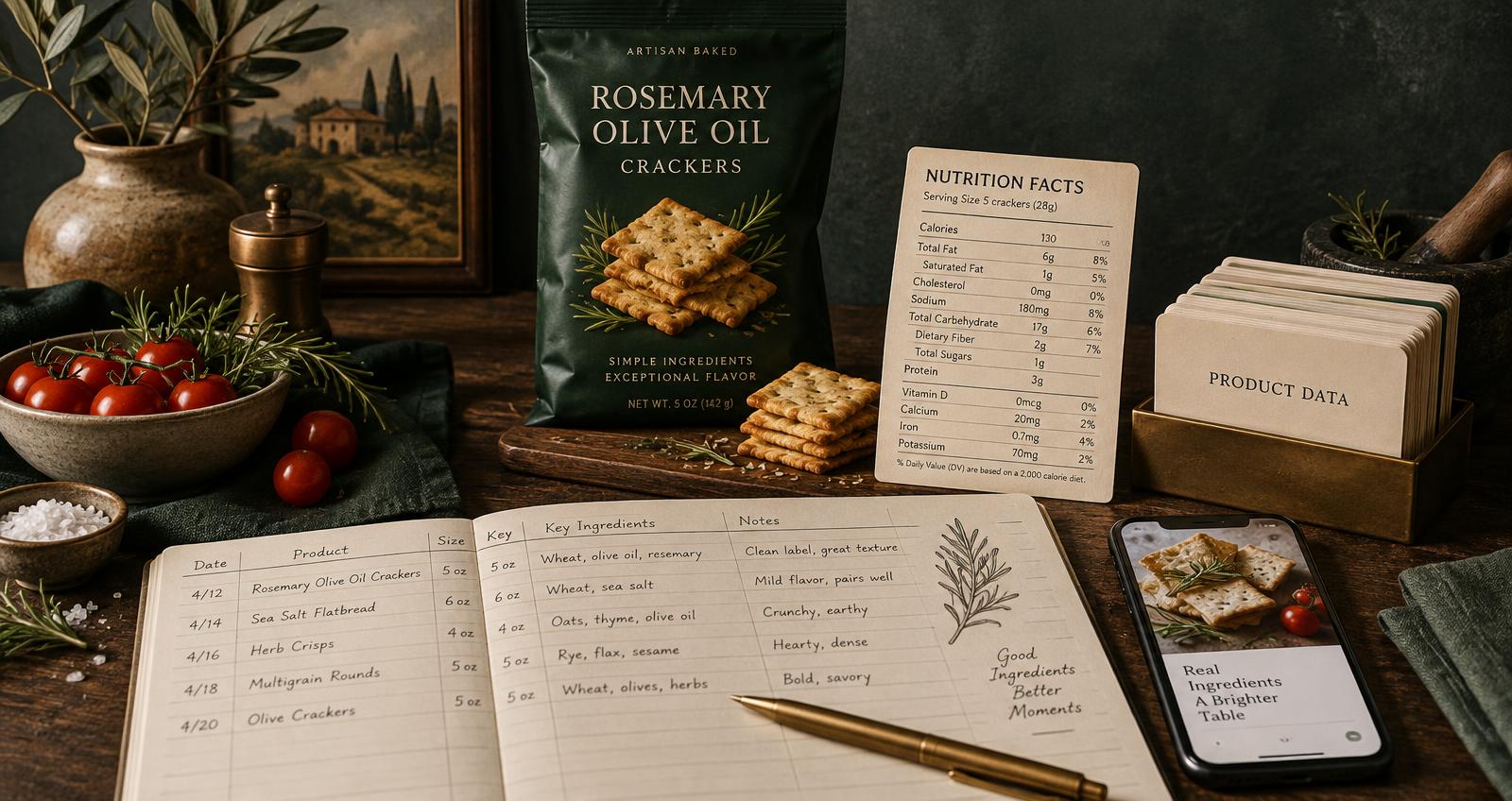
A useful food-scanning database needs to know what product the barcode represents and then populate fields such as product name, brand, nutrition, ingredients, allergens, pack size and market.
That information can come from several places.
The manufacturer is an obvious source.
Official product pages can provide ingredients, nutrition, pack size, allergens and product descriptions.
But even an official webpage may lag behind a physical recipe change.
That is why the exact product and date still matter.
Irish supermarket websites provide useful product records.
Tesco Ireland, SuperValu, Dunnes, Aldi and Lidl all expose different levels of information online.
One retailer may show the complete nutrition panel. Another may show only basic product details.
A retailer listing is useful evidence. It is not automatically complete evidence.
Open Food Facts is a collaborative open product database.
Its openness means the data can be inspected and reused. That is valuable for the wider food-tech ecosystem.
Crowdsourced data still needs quality checks. The presence of a product does not guarantee every field is current.
The physical product can be one of the most useful sources.
A clear pack photograph can establish:
The limitation is that the photo itself also needs context.
When was it taken? Which market was it from? Is the pack still current?
Software can help turn webpages or photographs into structured data.
That speeds up database building. It also creates another reason for validation.
A parser can associate a number with the wrong heading. OCR can misread small text.
Automation is useful precisely because it allows scale. It should not remove uncertainty from the process.
Some product records need manual review, especially when:
Because product information changes.
The possibilities include:
The right response is to investigate, not to silently choose whichever number produces the preferred score.
A database record edited yesterday could still have copied information from an old package.
Those dates mean different things.
A useful provenance system should distinguish between:
It should mean something specific.
“Verified” should not imply “We sent this food to a laboratory” unless that literally happened.
For a product database, verification may mean the fields were checked against a source.
The interface should make that distinction understandable.
Not necessarily.
They can be useful first-party retail sources, but the current physical pack remains important.
Yes. It is a collaborative open product database.
No.
Treat it as a possible outdated or incorrect record and use the current pack as important evidence.